

The Best Seasonal Flowers Wollstonecraft Gardens Love
Wollstonecraft gardens thrive when planting follows the seasons, not trends. By choosing flowers that suit local temperatures and light, gardeners get longer blooms, healthier plants, and less maintenance.
This guide breaks down standout seasonal flowers that suit Wollstonecraft’s conditions, plus simple tips for keeping colour going year round.
What makes a flower “seasonal” in Wollstonecraft?
A seasonal flower is one that naturally grows and flowers best in the current temperature range and day length. In Wollstonecraft, that usually means mild winters, warm to hot summers, and a mix of sun pockets and shaded courtyards, making Wollstonecraft flowers a perfect reflection of what thrives locally throughout the year.
When gardeners match flowers to the season, plants resist pests better, need less water, and deliver stronger flowering with fewer inputs.
Which flowers lift Wollstonecraft gardens in spring?
Spring is the easiest time to create impact because temperatures are gentle and growth is fast. They will get the best results by mixing bulbs for early colour with flowering shrubs and soft annuals for mid to late spring.
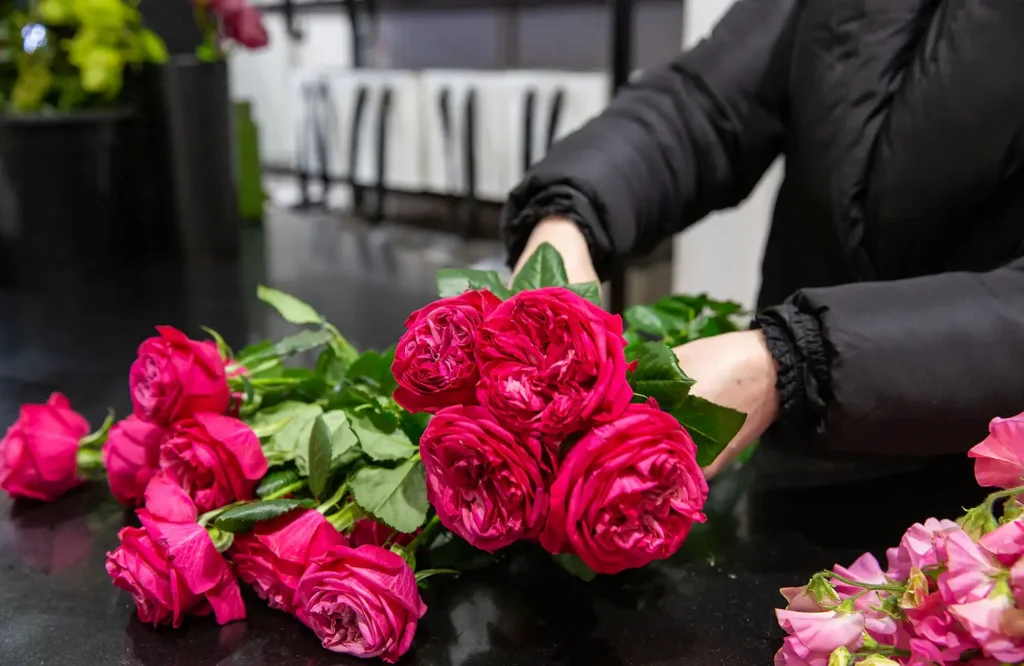
Good spring picks include:
- Tulips: Best in pots or well drained beds; strong colour blocks.
- Daffodils (Narcissus): Reliable, cheerful, and great for naturalising.
- Freesias: Fragrant and compact, ideal near paths or doorways.
- Ranunculus: Big, layered blooms that suit sunny courtyards.
- Sweet peas: Climbers that add height, scent, and a cottage feel.
- Camellias: Late winter into spring flowering, excellent for part shade.
They should deadhead sweet peas and ranunculus often to keep blooms coming, and feed lightly as buds form.
What are the best summer flowers for heat and colour?
Summer choices should handle stronger sun and higher evaporation, especially in exposed spots. They will do better with flowers that love warmth and keep blooming when regularly trimmed back.
Top summer performers include:
- Zinnias: Heat tolerant, bright, and excellent for cutting.
- Marigolds: Tough, cheerful, and helpful around veggie patches.
- Sunflowers: Great for height and quick impact in sunny beds.
- Salvias: Long flowering, bee friendly, and drought resilient once established.
- Lavender: Fragrant structure for borders and pots; loves full sun.
- Geraniums (Pelargoniums): Reliable colour in containers with minimal fuss.
They should water deeply in the morning rather than little and often, and mulch to stabilise soil temperature.
Which autumn flowers keep gardens looking alive as nights cool?
Autumn is ideal for rich tones and texture as growth slows. They can keep gardens looking full by choosing plants that flower as temperatures drop and by mixing in foliage interest.
Strong autumn choices include:
- Chrysanthemums: Classic seasonal colour with long lasting blooms.
- Dahlias: Continue until cold hits; best with staking and deadheading.
- Asters: Daisy like flowers that support late season pollinators.
- Cosmos: Airy, soft colour that keeps going with regular picking.
- Sedum (stonecrop): Flower heads and structure that look good even as they dry.
They should cut spent stems promptly and refresh pots with slow release fertiliser to support late flowering. To learn more about fresh flowers for every celebration click here.
What winter flowers work in Wollstonecraft without looking sparse?
Winter does not have to mean empty beds. They can rely on cool season bloomers and evergreen structure plants to keep gardens feeling intentional.
Winter friendly options include:
- Pansies and violas: Compact colour for pots, edges, and window boxes.
- Hellebores: Shade tolerant, elegant blooms, and excellent in layered planting.
- Cyclamen: Great for sheltered shade with bright, clean colour.
- Camellias: Glossy foliage and big flowers through late winter.
- Jonquils: Early bulbs that hint at spring before it arrives.
They should protect containers from waterlogging by improving drainage and elevating pots slightly off the ground.
How can they choose the right flowers for sun, shade, and courtyards?
They should start with light, not labels. Many Wollstonecraft gardens are a mix of bright edges and shaded pockets created by buildings and trees.
A simple rule set helps:
- Full sun (6+ hours): zinnias, marigolds, lavender, salvias, sunflowers.
- Part shade (3 to 6 hours): camellias, hellebores, cyclamen, some dahlias with morning sun.
- Bright shade: violas, hellebores, cyclamen, and foliage plants paired with seasonal colour.
If a spot gets harsh afternoon sun, they should prioritise heat tolerant flowers and add mulch to reduce stress.
What planting and care tips keep seasonal flowers thriving?
Seasonal flowers look best when they are planted in waves and maintained lightly but consistently. They will get better results with a few repeatable habits rather than complex routines.
Key tips:
- Stagger planting: add new seedlings or pots every 3 to 4 weeks in peak seasons.
- Deadhead often: most flowering plants bloom longer when old flowers are removed.
- Feed at the right time: use a gentle fertiliser when buds appear, not constantly.
- Water deeply: fewer, deeper waterings encourage stronger roots.
- Support tall growers: stake dahlias and sunflowers early so stems do not snap later.
Which seasonal flowers are best for cut arrangements at home?
They can build a garden that also supplies the vase. Flowers with strong stems and repeat blooms are the most useful for regular cutting.
Reliable cut flower picks by season include:
- Spring: tulips, ranunculus, sweet peas, freesias.
- Summer: zinnias, sunflowers, salvias (as accents), geraniums (as filler).
- Autumn: dahlias, chrysanthemums, asters, sedum.
- Winter: camellias (short stems), hellebores (condition stems), jonquils.
They should cut in the cool of the morning and place stems straight into clean water.
How can they keep colour going all year without replanting everything?
They can maintain year round appeal by combining seasonal flowers with a backbone of evergreen shrubs and foliage. This approach reduces how much replanting is needed while still delivering changing colour.
A simple structure plan works well:
- Evergreen base: camellias, small hedging, and hardy foliage plants.
- Seasonal layers: bulbs in spring, annuals in summer, late bloomers in autumn, cool season pots in winter.
- Containers for flexibility: pots let them swap colour quickly without disturbing garden beds.
With a steady rotation, Wollstonecraft gardens can look lush in every month, not just in peak spring. Click here to learn more about seasonal flowers Austaralia.
FAQs (Frequently Asked Questions)
What defines a seasonal flower in Wollstonecraft’s climate?
A seasonal flower in Wollstonecraft naturally thrives and blooms best within the local temperature ranges and day lengths, characterized by mild winters, warm to hot summers, and a mix of sun pockets and shaded courtyards. Choosing flowers suited to these conditions ensures healthier plants, pest resistance, less water usage, and stronger flowering.
Which flowers are ideal for planting in Wollstonecraft gardens during spring?
Spring in Wollstonecraft is perfect for bulbs and flowering shrubs that enjoy gentle temperatures and fast growth. Recommended spring flowers include tulips (best in pots or well-drained beds), daffodils (great for naturalising), freesias (fragrant and compact), ranunculus (big layered blooms), sweet peas (climbers adding height and scent), and camellias (late winter to spring bloomers thriving in part shade). Deadheading sweet peas and ranunculus often helps prolong blooming.
What summer flowers perform well in Wollstonecraft’s heat and sun exposure?
Summer garden choices should tolerate strong sun and higher evaporation rates. Top performers include heat-tolerant zinnias, cheerful marigolds that also benefit vegetable patches, tall sunflowers for quick impact, long-flowering salvias that attract bees, fragrant lavender for borders or pots, and reliable geraniums (pelargoniums) suitable for containers. Deep morning watering and mulching help maintain soil moisture and temperature.
How can gardeners keep their Wollstonecraft gardens vibrant during autumn?
Autumn gardens benefit from rich tones and textures with plants flowering as temperatures cool. Strong autumn options include chrysanthemums with long-lasting blooms, dahlias requiring staking and deadheading, asters supporting late pollinators, airy cosmos that respond well to regular picking, and sedum providing structural interest even as flowers dry. Promptly cutting spent stems and refreshing pots with slow-release fertiliser supports ongoing flowering.
Which winter flowers thrive in Wollstonecraft without making gardens look sparse?
Winter gardening can be vibrant with cool-season bloomers and evergreen plants. Ideal winter flowers include pansies and violas for compact color in pots or edges, shade-tolerant hellebores with elegant blooms, bright-colored cyclamen suited for sheltered shade, glossy-foliaged camellias blooming through late winter, and early-blooming jonquils signaling approaching spring. Ensuring good drainage by elevating pots prevents waterlogging during wet months.
What are essential planting and care tips to maintain seasonal flowers year-round in Wollstonecraft?
Maintaining seasonal flowers involves simple but consistent habits: stagger plantings by adding new seedlings every 3-4 weeks during peak seasons; deadhead regularly to promote longer blooming; apply gentle fertiliser when buds form rather than continuously; water deeply but less frequently to encourage strong roots; support tall plants like dahlias and sunflowers early with stakes to prevent stem breakage. These practices ensure vibrant blooms with manageable maintenance.

