
10 Custom Medals Australia Ideas for Memorable Events
Custom Medals Australia
The best medal ideas are not just about a shiny finish. They reflect the story of the event, the place it happened, and the people who showed up. Below are ten practical, crowd-pleasing directions that work across sport, schools, charities, clubs, and corporate days.
What makes a custom medal feel genuinely memorable?
Custom Medals Australia designs are most memorable when they do one thing well: capture meaning quickly. That can be a local landmark, a shared challenge, a funny in-joke for a club, or a design that feels “only this event could have made this.”
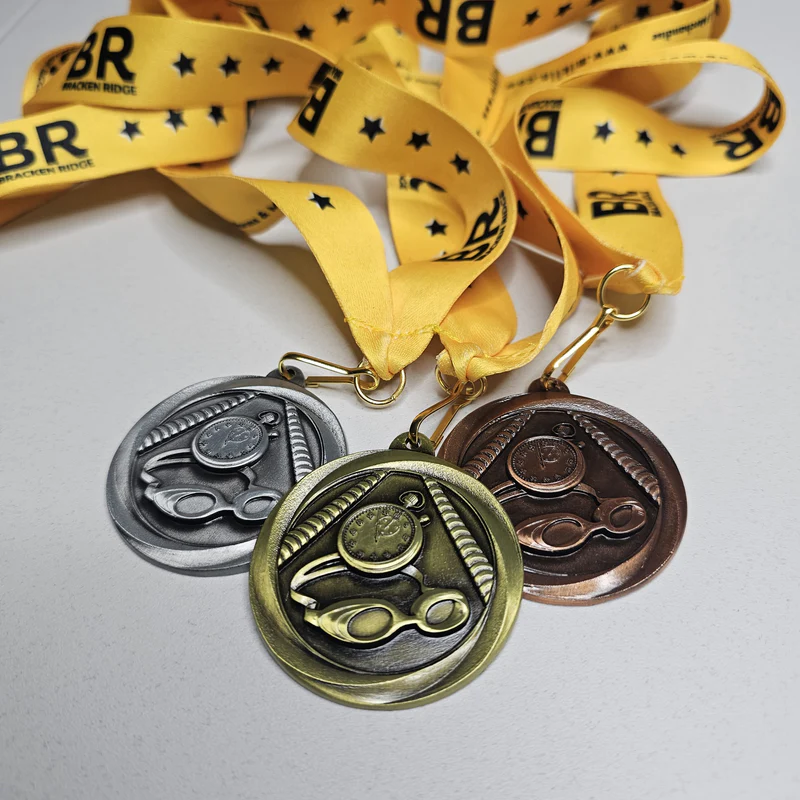
Small details matter more than most organisers expect. A unique ribbon, an engraved name, or a shape that breaks the standard circle can turn a cheap giveaway into something participants display.
Which event landmark or local icon should be turned into a medal shape?
Turning a recognisable Australian landmark into the medal outline is a reliable way to create instant connection. Think of skylines, bridges, coastlines, mountain profiles, or even a simplified map silhouette of the region.
This works especially well for annual events because it builds tradition. Participants start collecting each year’s “place medal”, and the event gains identity without needing heavy branding.
How can they use Aboriginal-inspired patterns respectfully in medal design?
They can include Indigenous-inspired elements only when it is done with permission, collaboration, and proper credit. The safest approach is commissioning an Aboriginal artist or working with a local Indigenous organisation to develop artwork specifically for the event.
This creates a medal that is both culturally respectful and meaningfully Australian. It also avoids generic pattern use that can be inappropriate, even if the intent is positive.
What are the best ways to include participant names, times, or positions?
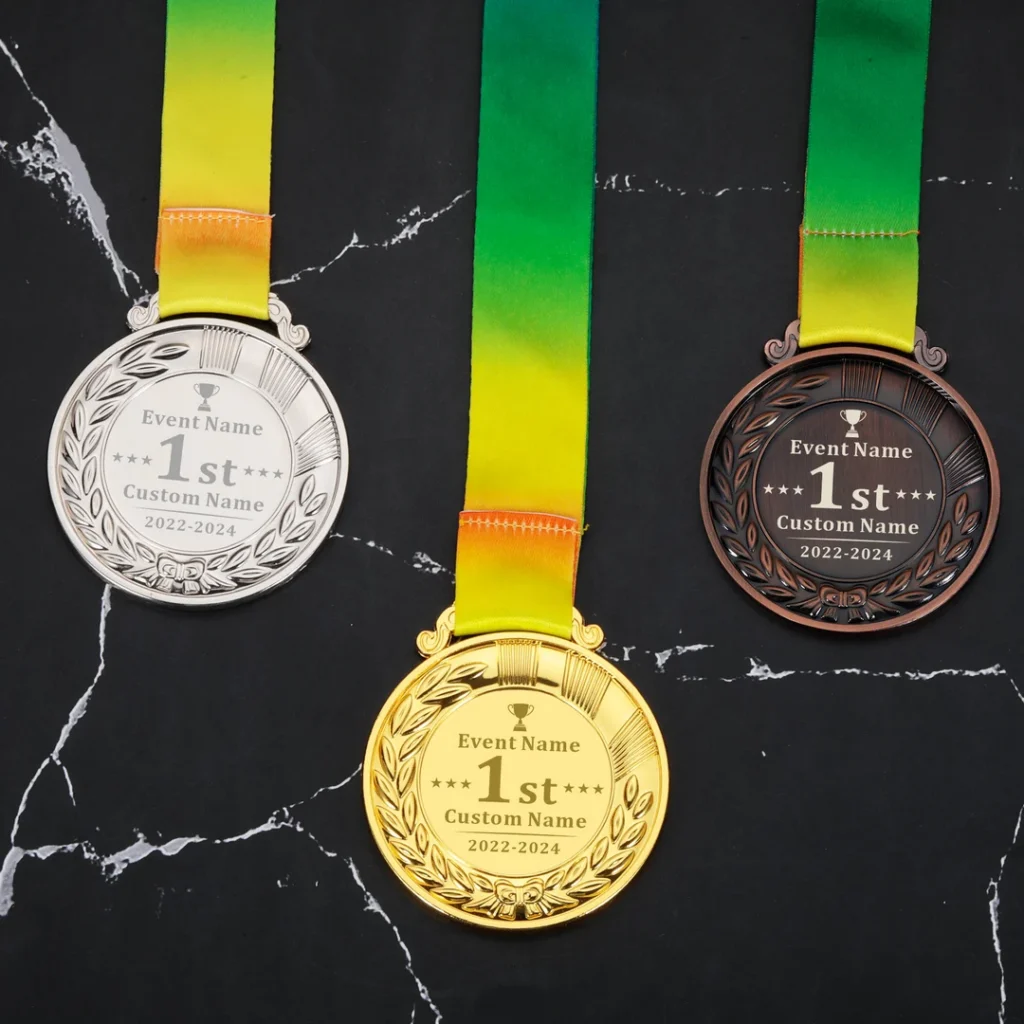
Personalisation makes a medal feel “earned”, not mass-produced. Common options include engraving the participant’s name, bib number, finishing time, team name, or placing on the back.
If the event cannot personalise every medal, they can reserve engraving for podium finishes, age-group winners, or special categories. Even a small engraved panel that says “Finisher” plus the event year adds long-term value.
How can a medal ribbon be designed to carry the event theme?
Ribbons are often overlooked, but they are the easiest way to make a medal pop in photos. They can use event colours, gradients, patterned weaving, or text repeating the event name and year.
For Australian events, organisers often choose colours linked to the location, club, sponsor, or charity cause. A strong ribbon design also makes medals look premium, even if the metal itself is simple.
Which 3D, layered, or cut-out medal styles look premium without being overcomplicated?
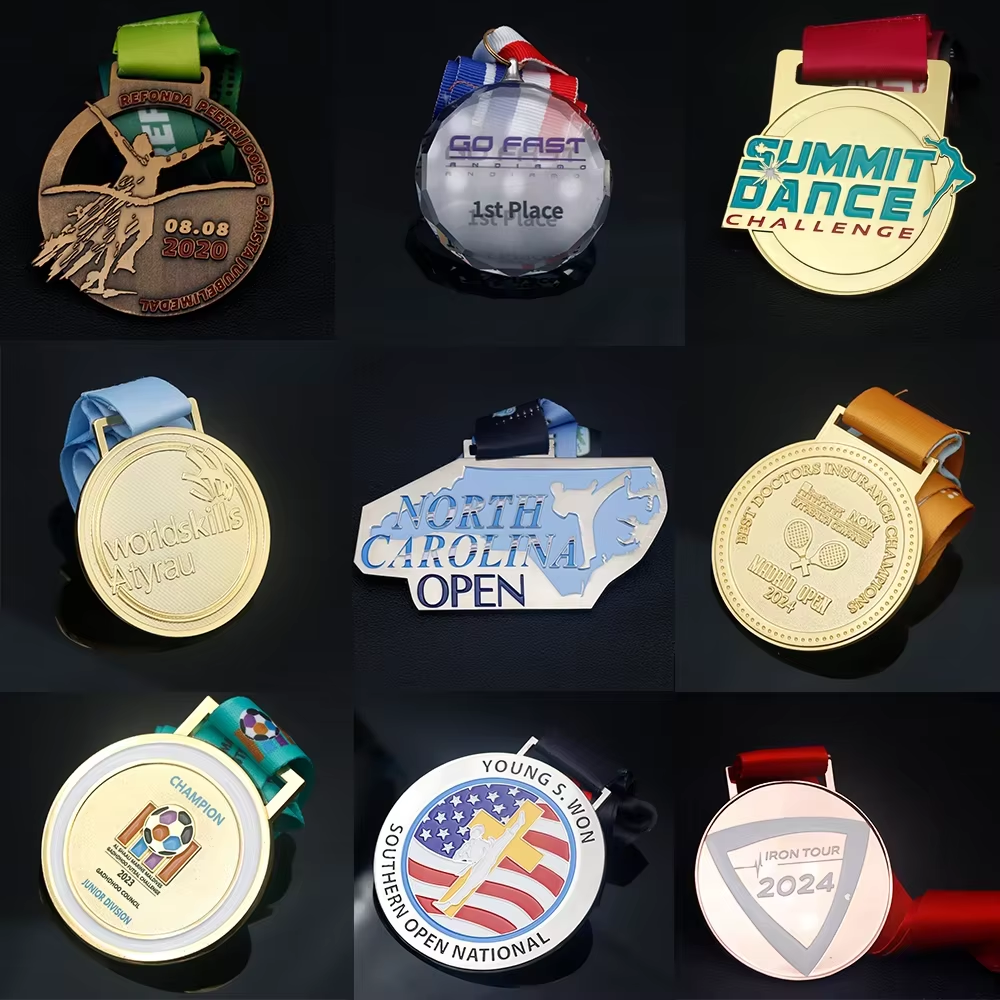
A layered medal, with raised and recessed areas, tends to look more expensive than flat printing. Cut-outs also create instant visual interest, especially when the negative space forms part of the logo or route shape.
They do not need a complex sculpture to achieve this. A two-level relief with a clean border, bold icon, and one cut-out can deliver a premium feel while staying practical for bulk orders.
How can they create “series medals” that encourage people to return each year?
Series medals are designed as a set, so each year or distance completes a larger picture. They might form a puzzle when placed side-by-side, create a panorama, or build a map route piece by piece.
This is particularly effective for fun runs, surf lifesaving events, cycling fondos, and school sports carnivals. It gives participants a reason to return beyond the race itself: to complete the collection.
What fun, photo-friendly medal ideas work for kids’ events and school competitions?
For kids, medals work best when they are playful, bold, and easy to understand at a glance. Bright enamel colours, mascots, sports icons, and chunky shapes tend to get more excitement than minimalist designs.
Organisers can also add category medals like “Best Team Spirit”, “Most Improved”, or “Great Sportsmanship”. These help schools reward behaviour and effort, not only raw performance. See designing custom medals for schools and events.
How can they build sponsor recognition into the medal without making it feel like an advert?
Sponsor logos can be included in a way that still respects the participant. A good method is placing the sponsor mark on the back, using a small “supported by” line, or integrating it subtly into the border.
The front should stay focused on the event and the achievement. When sponsors feel part of the story, rather than a sticker, participants are less likely to see the medal as promotional clutter.
Which eco-friendly custom medal materials and finishes suit Australian events?
Eco-friendly medals can be made from recycled metals, reclaimed timber, bamboo, or other low-waste materials. For coastal and outdoor communities, wooden medals often feel especially fitting, because they match the event vibe.
They should also consider packaging and shipping. Minimal plastic, recyclable boxes, and bulk delivery options can reduce waste while keeping the presentation clean and professional.
What should they do before ordering custom medals in Australia to avoid mistakes?
They should lock the essentials early: quantities, sizes, ribbon lengths, and delivery deadlines. Then they should request a proof, confirm spelling, confirm colours, and check how fine details will print or emboss at the chosen medal size.
Most regrets come from rushing approvals. A final checklist helps: event name, year, distance or category, finish type, ribbon design, and whether the back needs space for engraving or sticker times.
FAQs (Frequently Asked Questions)
What makes a custom medal genuinely memorable for Australian events?
A memorable custom medal captures meaning quickly by reflecting local landmarks, shared challenges, or unique event stories. Small details like unique ribbons, engraved names, or non-standard shapes transform a simple medal into a cherished keepsake that participants proudly display.
How can event organisers incorporate Australian landmarks into medal designs?
Organisers can shape medals to resemble recognisable Australian landmarks such as skylines, bridges, coastlines, mountain profiles, or simplified regional maps. This approach builds tradition and identity over annual events, encouraging participants to collect each year’s ‘place medal’ without heavy branding.
What is the respectful way to use Aboriginal-inspired patterns in medal designs?
Aboriginal-inspired elements should be included only with permission, collaboration, and proper credit. Commissioning an Aboriginal artist or partnering with local Indigenous organisations ensures cultural respect and authenticity, avoiding inappropriate generic pattern use while creating meaningful Australian designs.
How can participant personalisation be effectively included on custom medals?
Personalisation options include engraving names, bib numbers, finishing times, team names, or positions on the back of medals. If full personalisation isn’t feasible for all participants, it can be reserved for podium finishers or special categories. Even simple engravings like ‘Finisher’ plus the event year add lasting value.
What design elements make medal ribbons stand out and reflect the event theme?
Medal ribbons can use event colours, gradients, patterned weaving, or repeated text featuring the event name and year. Incorporating colours linked to location, clubs, sponsors, or causes enhances visual appeal and professionalism. A strong ribbon design makes medals photo-friendly and premium-looking even if the metal itself is simple.
Which eco-friendly materials are suitable for custom medals in Australian events?
Eco-friendly medals can be crafted from recycled metals, reclaimed timber, bamboo, or other low-waste materials. Wooden medals particularly suit coastal and outdoor communities by matching the event vibe. Additionally, using minimal plastic packaging and recyclable boxes with bulk delivery options reduces environmental impact while maintaining a professional presentation.
