
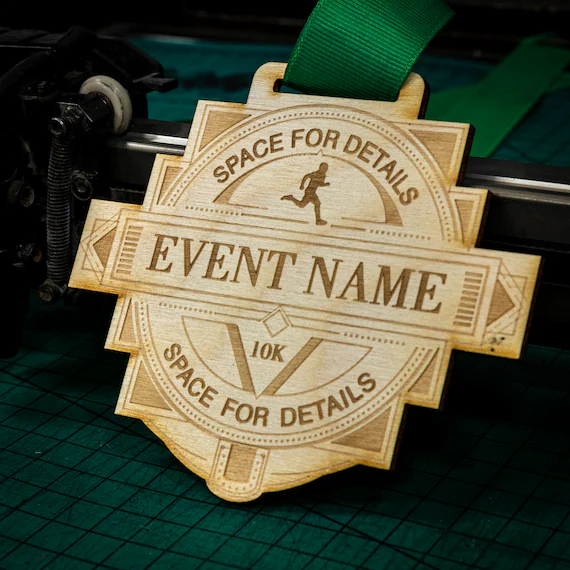
How Custom Medals Are Designed for Events and Recognition
When medals are designed well, recipients feel seen. When they are designed badly, they feel generic. The difference usually comes down to planning, materials, and a clear design process.
What should a custom medal achieve for an event or award?
Custom Medals should clearly signal what was achieved and who is recognising it. That means the event name, category, and year need to be easy to find and easy to read.
It should also feel appropriate for the audience. A school award, a charity 5K, and a corporate recognition programme all need different levels of formality, weight, and finish.
Who is involved in designing a custom medal?
Most medals are designed collaboratively between an organiser and a medal manufacturer or specialist designer. The organiser supplies the purpose, branding, wording, and any must-include elements such as sponsor logos.
The manufacturer usually advises on what will actually work in metal. They will flag thin lines that may fill in, tiny text that may not be legible, and shapes that could be weak or expensive to produce.
What information should organisers prepare before starting the design?
They should decide the medal’s purpose, audience, budget, and quantities first. Those decisions set limits on size, thickness, plating, and packaging.
They should also prepare correct brand assets. A high-resolution logo file, brand colours, exact wording, and a preferred style reference help prevent back-and-forth and reduce the risk of errors.
How do designers turn a theme or logo into medal artwork?
Designers typically start with a simple layout that prioritises readability. They decide where the main message sits, how the logo is framed, and what secondary details belong on the back.
From there, they build depth using raised and recessed areas. Because medals are physical, the artwork must be designed for relief, not just flat printing, so contrast and spacing matter more than tiny detail.
What size, shape, and thickness usually work best?
Most event medals sit comfortably around 60–80 mm, but the best size depends on how much information they need to include. A crowded design often benefits from going slightly larger rather than shrinking the text.
Thickness affects perceived quality. A thicker medal feels more premium, but it also costs more and adds weight for shipping and wearing, so organisers usually balance “wow” with practicality.
Which materials and finishes are commonly used?
Many custom medals are made from zinc alloy, iron, or brass, depending on the look, durability, and budget required. Each material takes detail differently, which is why manufacturers often steer material choice.
Finishes include gold, silver, bronze, antique effects, matte, and high polish. Antique finishes can hide fingerprints and add depth, while polished finishes look brighter but can show wear more easily.
How are colour and enamel added to a medal?
Colour is typically added using enamel fills placed into recessed sections. Designers need to leave clear metal boundaries between colours so the fills do not bleed into one another.
They also need to consider colour matching. Screen colours rarely match metal and enamel perfectly, so organisers often confirm acceptable tolerances, especially when brand colours must be consistent.
What goes on the front and back of the medal?
The front usually carries the hero elements: event name, emblem, or central motif. It should be readable at a glance from arm’s length.
The back is commonly used for the date, distance, category, sponsor marks, or a short message. Some organisers add a blank space for engraving names or finishing times, which can make the medal feel personal.
How do ribbons and attachments affect the overall design?
Ribbons matter because they are always visible when the medal is worn. A well-matched ribbon can make the medal look more intentional, even if the medal itself is simple.
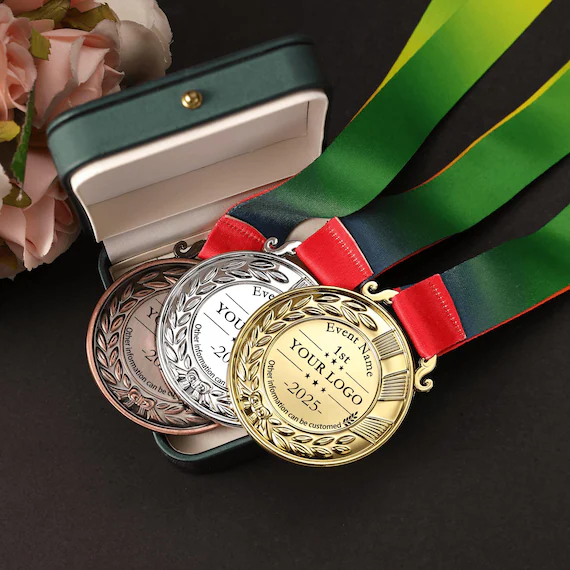
Attachments also influence durability and comfort. Common options include a jump ring, a D ring, or an integrated hanger. Integrated hangers can look cleaner, but they need to be designed into the shape early. See custom medals Australia ideas for events.
How is the final design approved before production?
Manufacturers usually provide a digital proof showing the front, back, dimensions, and colour call-outs. Organisers should check spelling, dates, logo placement, and the exact hierarchy of information.
Once approved, many suppliers offer a pre-production sample or a photo of the first run. It is worth using this step for higher volumes or high-visibility events because small mistakes scale quickly.
What production methods are used to make custom medals?
Custom medals are commonly made using die casting or stamping, followed by trimming, plating, colouring, and assembly. The method depends on the detail required, the chosen material, and budget.
After the metalwork is done, the medal is finished with plating and colour, then fitted with the ribbon and any packaging. Quality control checks usually focus on surface flaws, enamel fills, and consistent colour.
How long does it take and what can delay a medal project?
A typical project includes design, proofing, tooling, production, and shipping. The biggest variable is how quickly the organiser approves artwork and proofs, because production cannot start until approval is final.
Delays often come from late sponsor changes, missing brand files, or last-minute text edits. Tight timelines also increase shipping risk, so organisers usually build in buffer time for revisions and transit.
How can organisers keep costs down without making medals look cheap?
They can prioritise one or two premium touches instead of trying to do everything. A clean relief design with a strong finish and a good ribbon often looks better than a cluttered medal with too many features.
They can also standardise elements across years, such as keeping the same base shape and changing the insert, date, or enamel colours. That approach can reduce tooling costs while still keeping each year distinct.
What details make a medal feel genuinely meaningful?
Personalisation is a major factor. Space for engraving, a specific achievement label, or a thoughtful message can turn a medal into a keepsake rather than a token.
Clarity also matters. When recipients can instantly understand what it represents, they are more likely to value it. The best medals are simple, legible, and tied tightly to the event’s identity.
FAQs (Frequently Asked Questions)
What key elements should a custom medal include to effectively represent an event or award?
A custom medal should clearly display the event name, category, and year in an easy-to-read format. It must signal what was achieved and who is recognising it, ensuring the design feels appropriate for the specific audience, whether that’s a school award, charity 5K, or corporate recognition.
Who typically collaborates in the design process of a custom medal?
Designing a custom medal is usually a collaborative effort between the event organiser and a medal manufacturer or specialist designer. The organiser provides purpose, branding, wording, and essential elements like sponsor logos, while the manufacturer advises on metalwork feasibility, legibility, and cost-effective design.
What preparation should organisers make before starting the medal design?
Organisers should define the medal’s purpose, target audience, budget, and quantities upfront as these factors influence size, thickness, plating, and packaging options. Additionally, they need to supply high-resolution brand assets such as logos, exact wording, brand colours, and style references to streamline the design process and minimise errors.
How do designers translate themes or logos into effective medal artwork?
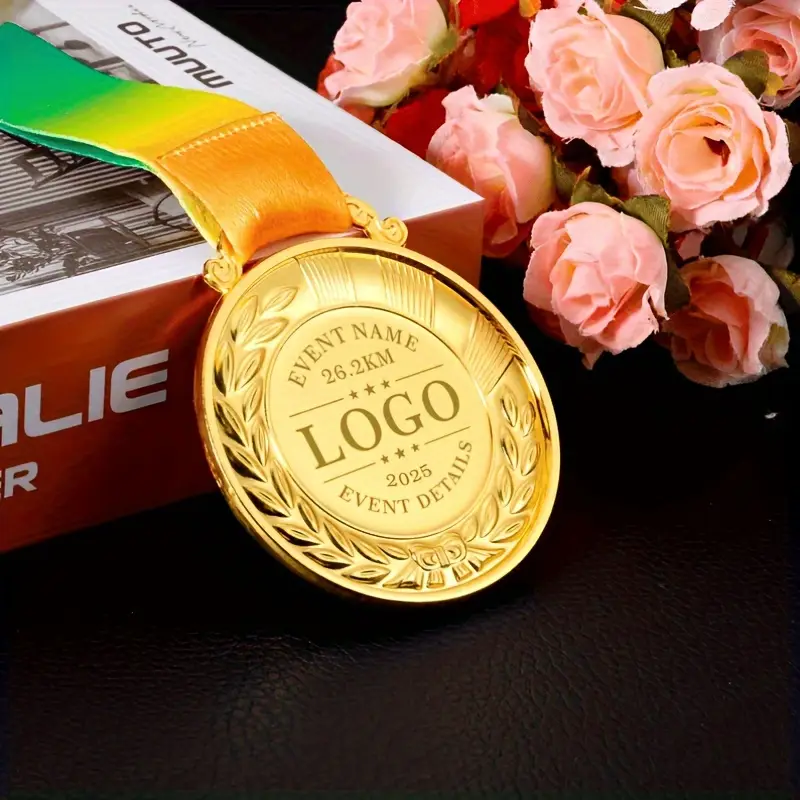
Designers begin with a simple layout prioritising readability by placing main messages prominently and framing logos appropriately. They then create depth through raised and recessed areas since medals require relief designs rather than flat prints. Contrast and spacing are crucial to ensure details stand out without overcrowding.
Which materials and finishes are commonly used for custom medals and how do they affect appearance?
Common materials include zinc alloy, iron, or brass chosen based on desired look, durability, and budget. Finishes range from gold, silver, bronze to antique effects, matte or high polish. Antique finishes add depth and mask fingerprints while polished finishes offer brightness but may show wear more easily.
How can organisers balance quality and cost when producing custom medals?
To maintain quality while managing costs, organisers should prioritise one or two premium features like a clean relief design with strong finish paired with a good ribbon rather than overloading the medal with many features. Standardising base shapes across years while varying inserts or enamel colours can also reduce tooling expenses without sacrificing uniqueness.

